November 2026 Bond Information
Investing in Learning for the Future
This November, voters in the Kirkwood Community College service area will consider an $88 million General Obligation Bond.
The proposed bond would fund improvements to instructional spaces, laboratories, technology, and facilities that support many of the college's highest-demand academic programs.
The information on this page is intended to help community members understand what the proposed bond would fund, its estimated tax impact, and answers to frequently asked questions.
Proposed Bond Projects Estimated Tax Impact Tax Impact Details Frequently Asked Questions Bond Communication Toolkit
Preparing Students for High-Demand Careers
The proposed bond is intended to support learning environments that prepare students for careers that help meet workforce needs throughout Eastern Iowa.
Programs that would benefit include those preparing:
- Nurses
- Paramedics
- Health care professionals
- Agricultural professionals
- Business professionals
- Information technology specialists
- Skilled professionals in manufacturing and the trades
The proposed improvements focus on instructional spaces where students gain hands-on experience using equipment and technology similar to what they will encounter in today's workplaces.
Proposed Bond Projects
The proposed bond would provide funding for the following capital improvement projects:
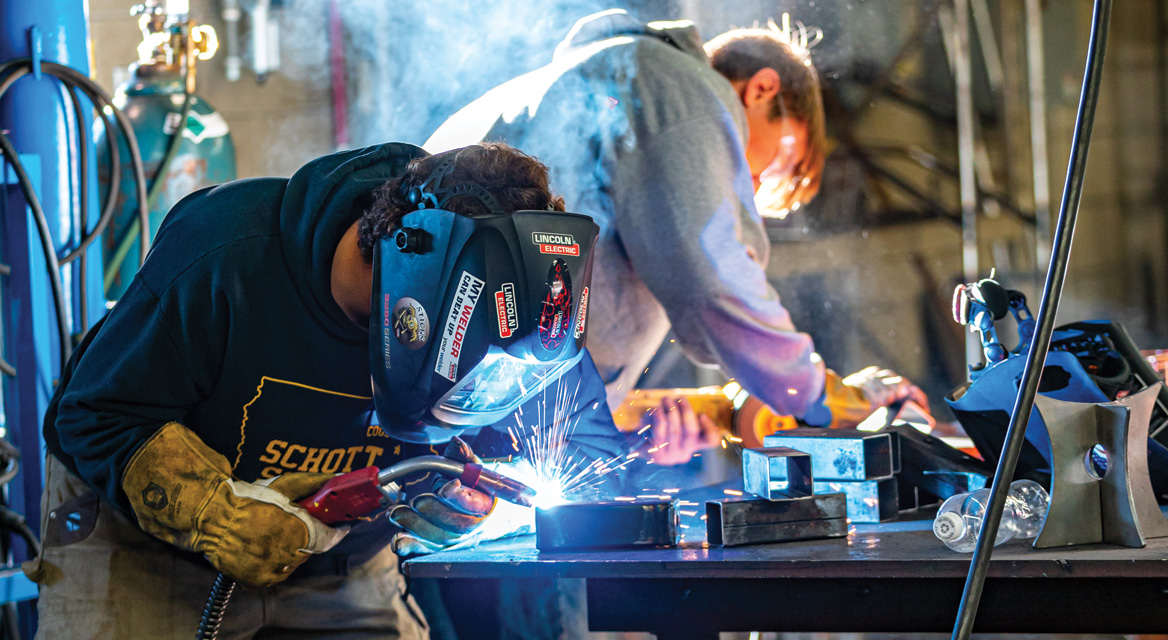
Advanced Manufacturing & Trades Renovations, Jones Hall
Estimated Investment: $46 million
This project would include:
- Modernized instructional spaces
- Updated technology and infrastructure
- Flexible learning environments for Advanced Manufacturing and Trades programs
Business and Information Technology Upgrades, Nielsen Hall, and Benton Hall
Estimated Investment: $22 million
Improvements would include:
- Updated Business and IT classrooms
- Modern computer labs Improved building systems
- Enhanced instructional technology More efficient learning environments
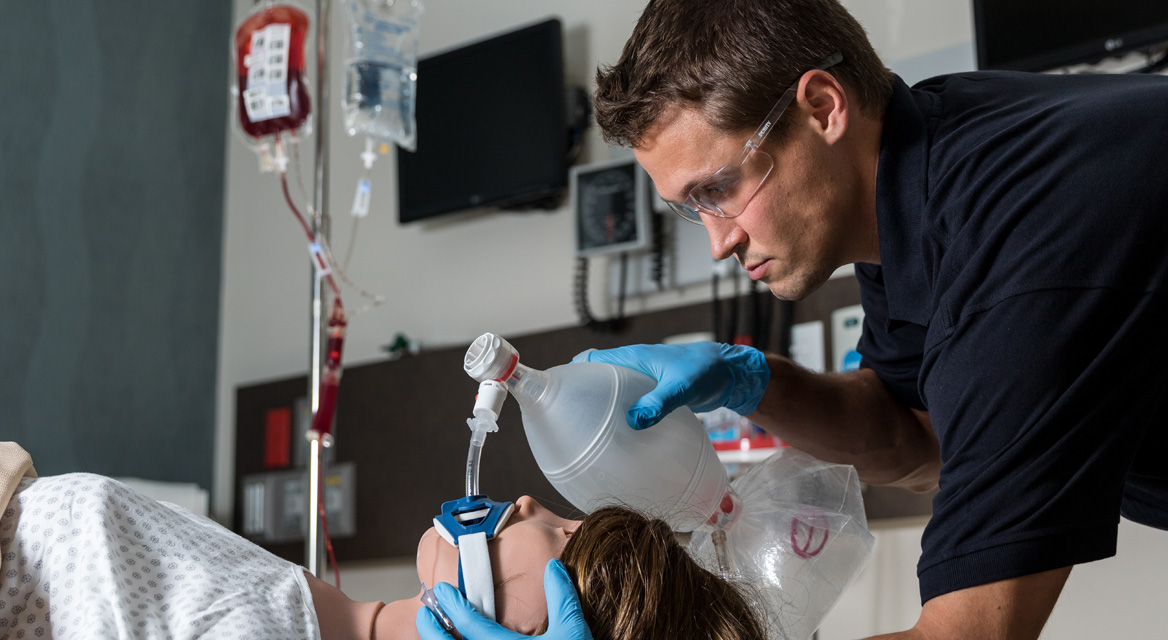
Health Programs, Linn Hall, and Simulation Center
Estimated Investment: $12 million
This project would include:
- Updated instructional laboratories
- Expanded simulation spaces
- Modern classroom technology
- Improved student support areas
- Learning environments designed to reflect current healthcare practices and industry standards
Agricultural Operations Machinery Shop
Estimated Investment: $3.5 million
The project would provide:
- A new agricultural machinery shop and animal feed storage space
- Roadway improvements
- Parking improvements
- Better access for students, visitors and industry partners
High-Demand Active Learning Classrooms
Estimated Investment: $4.5 million
Improvements would include:
- Modern furniture
- Updated lighting
- Additional power access
- New classroom technology
- Accessibility improvements
- Safety enhancements
- Flexible learning environments
Estimated Tax Impact
For residential property owners, the estimated cost is:
- Approximately $9.35 per year for every $100,000 of assessed property value
Per $100,000 of assessed value, that is:
- Less than $10 per year
- Less than $1 per month
Actual homeowner costs may be lower depending on available property tax exemptions and credits.
Frequently Asked Questions
Kirkwood Community College is asking voters to consider an $88 million general obligation bond request in November 2026.
Many Kirkwood classrooms, labs, and instructional spaces need updates to support modern technology, hands-on learning, simulation, flexible instruction, and workforce training, and to meet the growing workforce demand in our communities in areas like health care and manufacturing.
The bond would pay for five primary facility initiatives: Jones Hall renovations, agriculture operations improvements, health care and simulation space updates, Nielsen Hall and Benton Hall improvements, and high-use classroom refreshes.
Kirkwood prepares people who work throughout the region in health care, emergency response, agriculture, business, IT, manufacturing, industrial technology, skilled trades, and many other fields. That means the impact of Kirkwood training shows up in everyday community life: in hospitals, ambulances, clinics, farms, offices, factories, schools, small businesses, and local employers.
For residential homeowners, the estimated cost is $9.35 per year per $100,000 of assessed property value. That is less than $10 a year, or less than $1 per month, for each $100,000 in assessed value.
Yes. The $9.35 estimate does not assume exemptions or credits. Actual costs may be lower for homeowners who qualify for homestead, senior, military, or other exemptions and credits.
No. Bond funds would be used for approved capital projects such as renovations, construction, infrastructure, technology, and equipment. They would not be used for salaries or day-to-day operating expenses.
Kirkwood’s main campus is Kirkwood’s central instructional hub and serves students from across the region. Programs and facilities based there support students, families, employers, and communities throughout our seven-county service area.
Kirkwood has always been supported by taxpayers in 18 counties. Our service area is consists of seven primary counties plus portions of 11 others because our boundaries follow k-12 school district boundaries.
Bond Communication Toolkit
Thank you for your willingness to help share information about Kirkwood Community College's bond measure. We appreciate your partnership in helping ensure our communities have access to factual information as voters prepare to make their decision on November 3.
This toolkit has been created to make it easy for you to share information with your audiences in whatever way works best for you. While keeping the facts and figures the same, feel free to use the materials as provided or adapt them to better fit your organization's voice and communication style.
How You Can Help
- Learn about the bond measure. Start by reviewing the materials in this toolkit, including the fact sheet and frequently asked questions, to become familiar with the proposal.
- Share information by email. Use the sample email template to send information to your employees, members, customers, colleagues, or other community contacts. You're welcome to personalize the message to reflect your own perspective.
- Post on social media. Use the sample Facebook, Instagram, X, or LinkedIn posts to help raise awareness of the November 3 bond measure. Feel free to modify the language to fit your organization's voice or your personal style.
- Share additional resources. Direct people to www.kirkwood.edu/bond2026 to learn more about the bond measure, review frequently asked questions, and access additional information.
- Use the included materials. The poster, fact sheet, FAQ, and official press release are available to help answer questions and provide additional context as you communicate with your audiences.
Thank you for helping share this information about the Kirkwood Community College bond measure. Your support in educating our communities is greatly appreciated.
Toolkit
Email Template
Social Media Posts
General Handout
Poster
FAQ
Official Press Release
Informational Mailer